
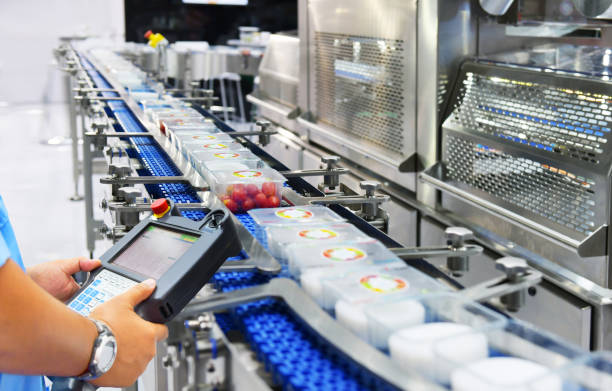
Are you thinking about how food packaging will work in 2026 and why many food makers are updating their machines?
The food business is moving fast, and packaging is now a very important part of daily production. From small food units to large plants, everyone wants packaging that is clean, quick, safe, and simple to manage.
In 2026, the main focus is very clear. Food makers want machines that save time, support clean packing, use smart data, and work well with new packing materials. The good part is that these trends are not only for big factories. Even growing food businesses can understand these changes and plan step by step.
Smart Automation Is Becoming A Daily Need
Automation is helping food makers complete regular packing work with more speed and better control.
Machines Are Doing Repeated Work With Better Care
In many food units, packing work has many repeated steps, such as filling, sealing, labelling, checking, and moving packs. Automated machines can handle these tasks in a steady way. This helps teams focus on planning, checking quality, and managing orders.
For example, a snack maker may need the same pack size again and again. A smart packing line can fill and seal packs with the same level of care throughout the day. This keeps the work simple and neat. For workers, it also feels better because heavy and repetitive tasks can be managed by machines.
Artificial Intelligence Is Helping With Better Decisions
AI is becoming more common in packaging machines because it can read data and support faster choices.
Data Is Making Production More Clear
In 2026, many machines can collect useful data from the packing line. This data can show speed, pack count, machine condition, product flow, and material use. AI can study this data and give useful hints to the team.
For a real factory team, this is like having a smart helper. It can show when a machine needs care, when material use can be improved, or when a line is ready for faster work. This makes daily decisions easier and more practical.
Flexible Machines Are Getting More Attention
Food makers often pack many products, sizes, and formats, so flexible machines are becoming more useful.
Quick Changeover Saves Useful Time
In simple words, changeover means shifting a machine from one pack size or product type to another. In 2026, many food businesses prefer machines that can change settings faster. This is useful for items like sauces, snacks,
bakery products, frozen foods, ready meals, and dairy items.
Think about a unit that packs small pouches in the morning and family packs in the afternoon.
A flexible machine can make this shift easier. food packaging equipment is also helping food makers manage different pack sizes, product types, and daily orders in a simpler and more planned way.
Sustainable Packaging Support Is A Key Trend
Food makers are choosing machines that can work with recyclable, paper-based, and lighter packing materials.
Machines Are Matching New Material Choices
Many companies are using packaging materials that support lower material use and better recycling goals. So, machines also need to handle these materials with care. In 2026, equipment makers are focusing on smooth sealing, accurate cutting, and gentle handling of such materials.
This trend is practical because food packs must look neat and protect the product well. A machine that can handle modern materials properly helps food makers keep packing strong, clean, and attractive.
Better Food Safety Features Are Becoming Standard
Clean packing is always important in food production, and modern machines are supporting this with smart features.
Hygiene-Friendly Machine Structure Helps Daily Work
Food packing machines are now made with easy cleaning in mind. Smooth surfaces, open access points, and simple parts help teams clean the machine area properly. This is useful in food units where daily cleaning is a normal part of work.
Inspection tools are also becoming common. These tools can check weight, seal quality, label details, and pack condition. It gives the team more confidence before products move to storage or delivery.
Robotics Is Making Packing Lines Faster And Neater
Robots are helping in picking, placing, sorting, and case packing tasks.
Robotic Systems Support Steady Product Movement
Robots are useful when products need careful handling. They can pick items, place them in trays, arrange packs, and move them for final packing. This is helpful for biscuits, pouches, ready-to-eat foods, bottles, and many other food items.
The best thing is that robots can keep the pace steady. They do not get tired, and they can support clean and organised movement. For workers, it also makes the floor work more comfortable and planned.
Connected Machines Are Making Work Easier To Track
Machines connected with sensors and software are giving better control to food makers.
Real-Time Monitoring Supports Better Planning
In 2026, connected packaging equipment can show live updates about the packing line. Teams can check machine speed, product count, downtime, and output from one place. This helps managers understand what is happening without guessing.
For example, if one section is slower than others, the team can notice it early and plan the next step. This makes production more balanced and smooth.
Energy-Efficient Equipment Is Gaining Value
Food makers are paying more attention to machines that use energy wisely.
Lower Energy Use Supports Smart Operations
Modern packaging machines are being built to use motors, sensors, air systems, and heating parts in a more controlled way. This can support better energy use during daily work. For food businesses, this is a sensible step because packing lines often run for long hours.
Energy-smart equipment also supports better planning for future growth. When machines run with good control, the whole production setup feels more stable.
Digital Traceability Is Becoming More Useful
Traceability helps food makers follow product details from packing to delivery.
Codes And Labels Are Carrying Useful Product Details
In 2026, packaging lines will use better coding, labelling, and scanning systems. These systems can add batch numbers, dates, QR codes, and other useful details on packs. This makes it easier to track product movement.
For customers, clear product details build trust. For food makers, traceability helps in stock planning, delivery records, and product management.
Final Thoughts
The future of food packaging equipment in 2026 looks practical, smart, and people-friendly. The main trends are automation, AI, flexible machines, sustainable material support, better hygiene, robotics, connected systems, energy-smart operation, and digital traceability.
For food makers, these trends are not only about using new machines. They are about making daily work smoother, cleaner, and easier to manage. With the right planning, packaging can support better product quality, faster output, and a more organised factory floor.
In simple words, 2026 is bringing packaging equipment that works smarter, supports teams better, and helps food products reach people neatly and safely.