
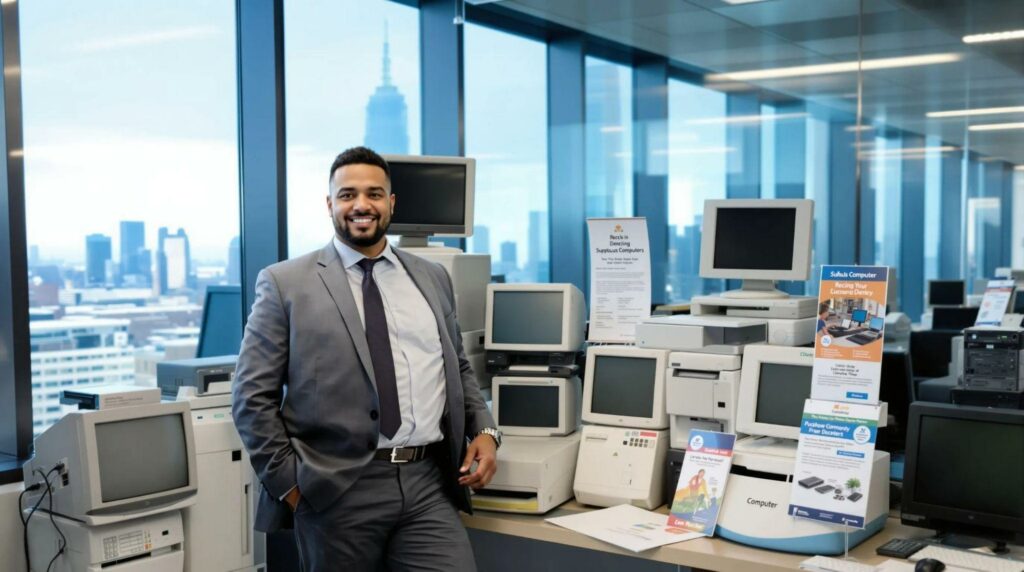
Have you ever found yourself tripping over a pile of old computers? We’ve all been there. Surplus computers can feel like the unbeatable heavyweight champion of clutter in our digital age. But fret not. These little machines can be more than just a thorn in our sides: they represent untapped potential just waiting for us to unlock.
In this text, we’re diving deep into the world of surplus computers. We’ll explore what they are, why they end up in surplus, and how we can deal with them in the most effective way possible, while maybe sharing a chuckle or two along the way.
What Are Surplus Computers?
Surplus computers are those devices that have outlived their immediate usefulness. You know, the ones that sit in the corner of your office gathering dust while you work on the latest flashy model. These computers might be old, but they often still have plenty of life left in them.
Essentially, surplus computers are unwanted inventory, think of them as the last packages of holiday cookies left behind after the festivities. They can range from slightly outdated models that just don’t keep up with the latest software demands to older machines that have hardware still functioning at a decent level.
We are now living in an era where technology evolves at lightning speed. As a result, many companies find themselves with surplus computers as they upgrade to newer systems. While it may seem like a hassle to deal with, it’s essential to remember these devices have stories to tell and, potentially, more useful days ahead.
Reasons for Computer Surplus
Why do we find ourselves surrounded by surplus computers? The answers are as varied as our choices in takeout food. For starters, companies often upgrade their technology to maintain efficiency and stay competitive. Sometimes, doing so means letting go of perfectly functional computers just because they don’t meet the latest specs.
Plus to upgrades, businesses may shrink or change their operations, resulting in extra hardware that isn’t needed anymore. Let’s not forget individuals who purchase a powerful laptop only to realize they no longer need an extra desktop computer lying around.
Even educational institutions, striving for the latest tech to prepare students for the job market, contribute to this surplus. When we consider all these factors together, it’s easy to see how surplus computers build up in homes and offices everywhere. And trust us when we say, even your grandpa’s old PC contributes to the pile.
In short, excess demand combined with rapid innovation creates an environment ripe for surplus.
Impacts of Surplus Computers
Surplus computers might seem innocuous, but they hold significant implications for both organizations and the environment. For one, keeping these machines around can lead to wasted resources. Much like that gym membership we never use, surplus computers can weigh down budgets and drain space that could serve a better purpose.
On another front, the environmental impact can be staggering. Improper disposal of electronic waste can lead to toxic materials seeping into our soil and water. We must recognize the responsibility we hold in managing surplus computers properly.
By taking action and repurposing these machines, we can reduce their negative footprint. Empowering ourselves to handle surplus computers thoughtfully is essential for ensuring their disposal doesn’t contribute to environmental degradation.
Ways to Handle Surplus Computers
Now that we understand the issues surrounding surplus computers, let’s explore how we can address the situation responsibly. A helpful starting point is proper surplus management. But what does that mean, exactly?
Benefits of Proper Surplus Management
Implementing a plan to handle surplus computers can yield several benefits. First off, donating old systems can improve community access to technology. Many non-profits and schools would be thrilled to receive functioning devices.
Next, consider the potential for recycling just like you do with that stack of newspapers. Beyond saving the planet, recycling centers often properly process components in old computers, allowing us to reclaim precious resources. On top of that, investing in refurbishment services can breathe new life into old machines.
Eventually, managing surplus computers reduces waste and can lead to positive community impacts.
Challenges of Surplus Computers
Even though our best intentions, handling surplus computers comes with challenges. The first hurdle we often encounter is data security. How do we ensure that sensitive information doesn’t end up in the wrong hands? Simply deleting files does not keep our data safe: a thorough data wipe or professional company engagement is essential.
Then there’s the issue of proper recycling. Not all recycling centers are created equal, and finding a responsible one can take time and effort. We’re sometimes led astray by companies that claim to recycle when they may simply dump these products in a landfill.
Finally, managing public perception poses a challenge. A lingering stigma exists around older technology that many dismiss as obsolete. Overcoming this mindset requires us to highlight the potential of surplus computers in ways that resonate with individuals and organizations alike.